


Insurance Troubles Are Disrupting Transactions and Exacerbating Affordability Challenges
Securing homeowners insurance was once a straightforward process. You’d compare quotes and choose the best option. But in January 2025, it’s a very different story. The increasing frequency and intensity of natural disasters have led insurers to face skyrocketing claim payouts and repair costs. As a result, many companies are withdrawing from high-risk markets or significantly raising premiums.
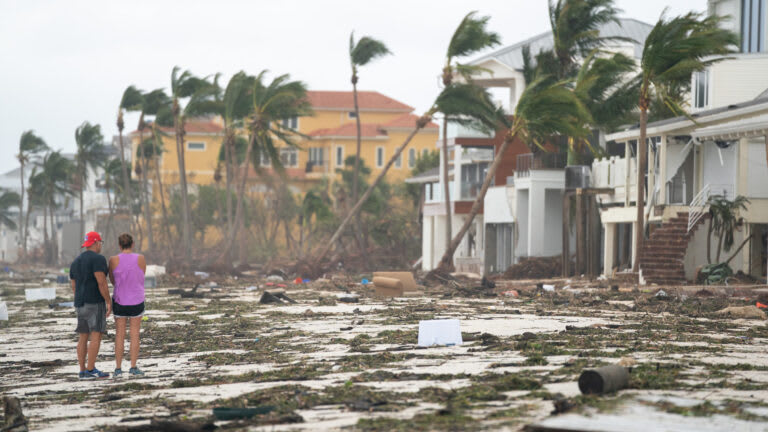
Hurricane Helene, a devastating Category 4 storm that struck Florida’s Big Bend area in late 2024, underscores this crisis. The storm caused significant loss of life and widespread destruction, with property damage estimates ranging from $15 billion to $26 billion—and some projections as high as $160 billion.
These massive losses are being passed on to homeowners. In 2023, insurance premiums surged nearly 20%, and they climbed another 6% in 2024. Now, in 2025, Florida homeowners are paying an average of $11,759 annually for insurance. For buyers with a mortgage, securing affordable coverage is increasingly difficult, especially in disaster-prone regions.
Insurance Costs Continue to Climb
Natural disasters, legal system abuse, and rising repair costs have pushed insurance rates higher. Between 2017 and 2023, the U.S. experienced 137 major disasters, causing over $1 trillion in damage. In 2023 alone, 28 events led to $92.9 billion in losses.
Replacement costs for insurance rose 55% between 2020 and 2022 due to labor shortages, supply chain issues, and a rise in litigated claims—especially in states like Florida and Texas. While reforms aim to reduce fraudulent claims, more severe storms mean rising costs are here to stay.
Insurers Pulling Out of High-Risk States
Major insurers, including Allstate, State Farm, and American National, have stopped writing new policies or exited high-risk areas altogether. This leaves many Florida homeowners with limited options, often forcing them to rely on expensive state-sponsored programs.
Double-digit rate hikes are common, and condo associations are cutting coverage to avoid raising fees. Without sufficient insurance, buyers can’t secure traditional mortgages backed by Fannie Mae or Freddie Mac, further straining affordability—especially for first-time buyers.
A Disturbing Trend: Homeowners Forgoing Insurance
As premiums soar, more homeowners are choosing to forgo coverage altogether. Roughly 7.3% of U.S. homeowners—about 1 in 13—are uninsured, with lower-income households disproportionately affected. Many homeowners don’t realize that standard policies don’t cover flood damage, and about 60% of people in flood-prone areas lack flood insurance.
Even cash buyers, particularly retirees moving to Florida, are skipping coverage to cut costs. This trend leaves them exposed to significant risks, especially with rising premiums and stricter condo association regulations.
How Real Estate Professionals Can Help
Navigating the insurance crisis requires expertise. Real estate agents can support clients by:
- Researching Financial Health: Review condo or HOA financials, cash reserves, liens, and special assessments to identify potential issues.
- Monitoring Deadlines: Remind buyers to meet insurance deadlines in contracts to avoid jeopardizing their financing.
- Exploring Alternatives: Help buyers find competitive rates, higher deductible options, or alternative lenders to manage costs.
With up to 20% of deals falling through due to high insurance costs or lack of coverage, real estate professionals play a critical role in ensuring clients are prepared to overcome these challenges in Florida’s evolving market.